The spark
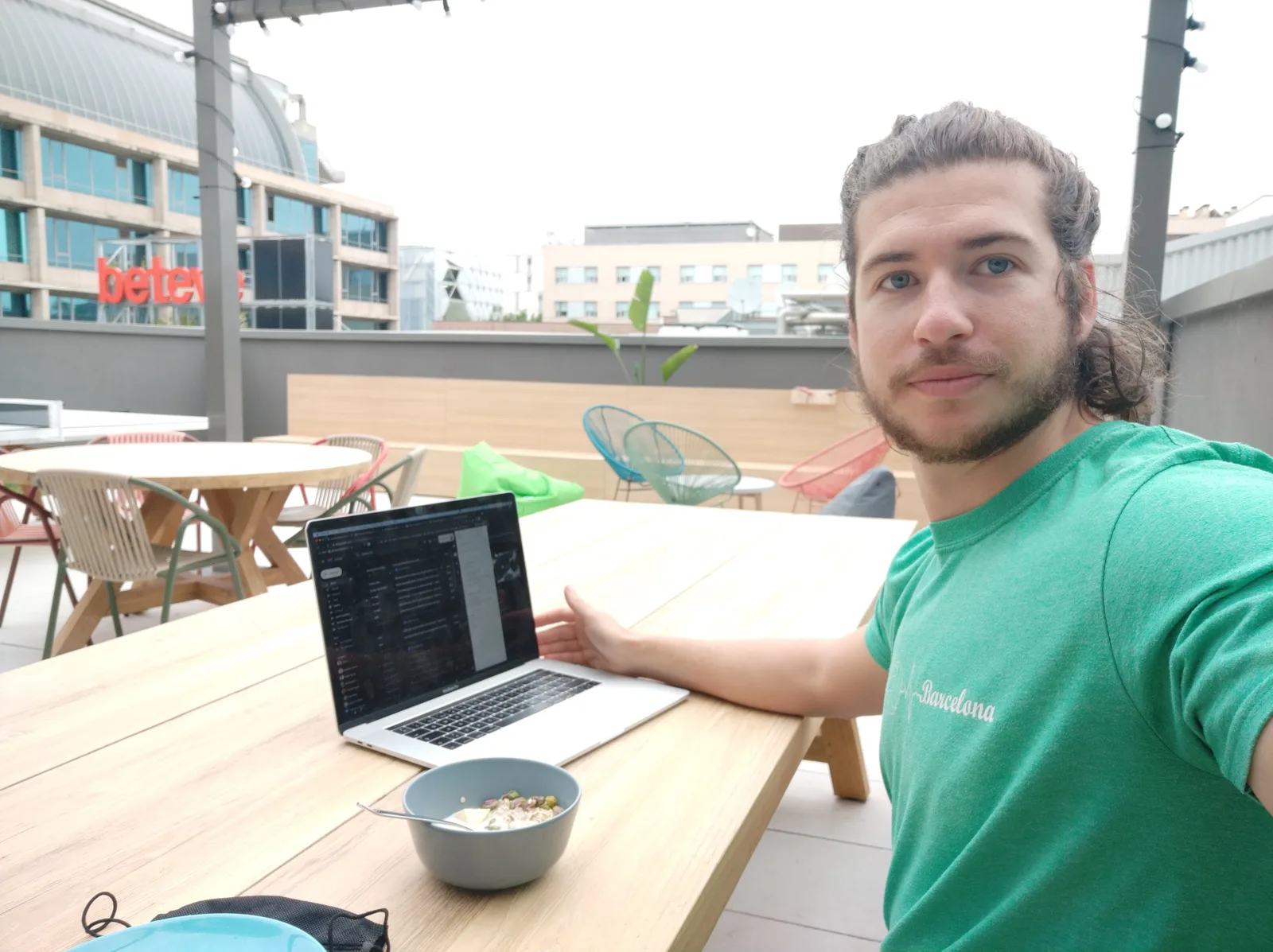
It all started in 2020 in Barcelona. My roommate was trying to learn Spanish at the time, and struggling with it. It became clear to me: for a lot of people, it's not a question of talent, time, or effort. You can pour in as much money, time, and energy as you want and still not get anywhere, simply because you don't have anyone to actually speak with.
I started thinking about a kind of digital role-play. You'd land in realistic situations that you could only get out of by speaking. The idea was there, but AI back then just wasn't smart enough for it yet.
The idea grows up
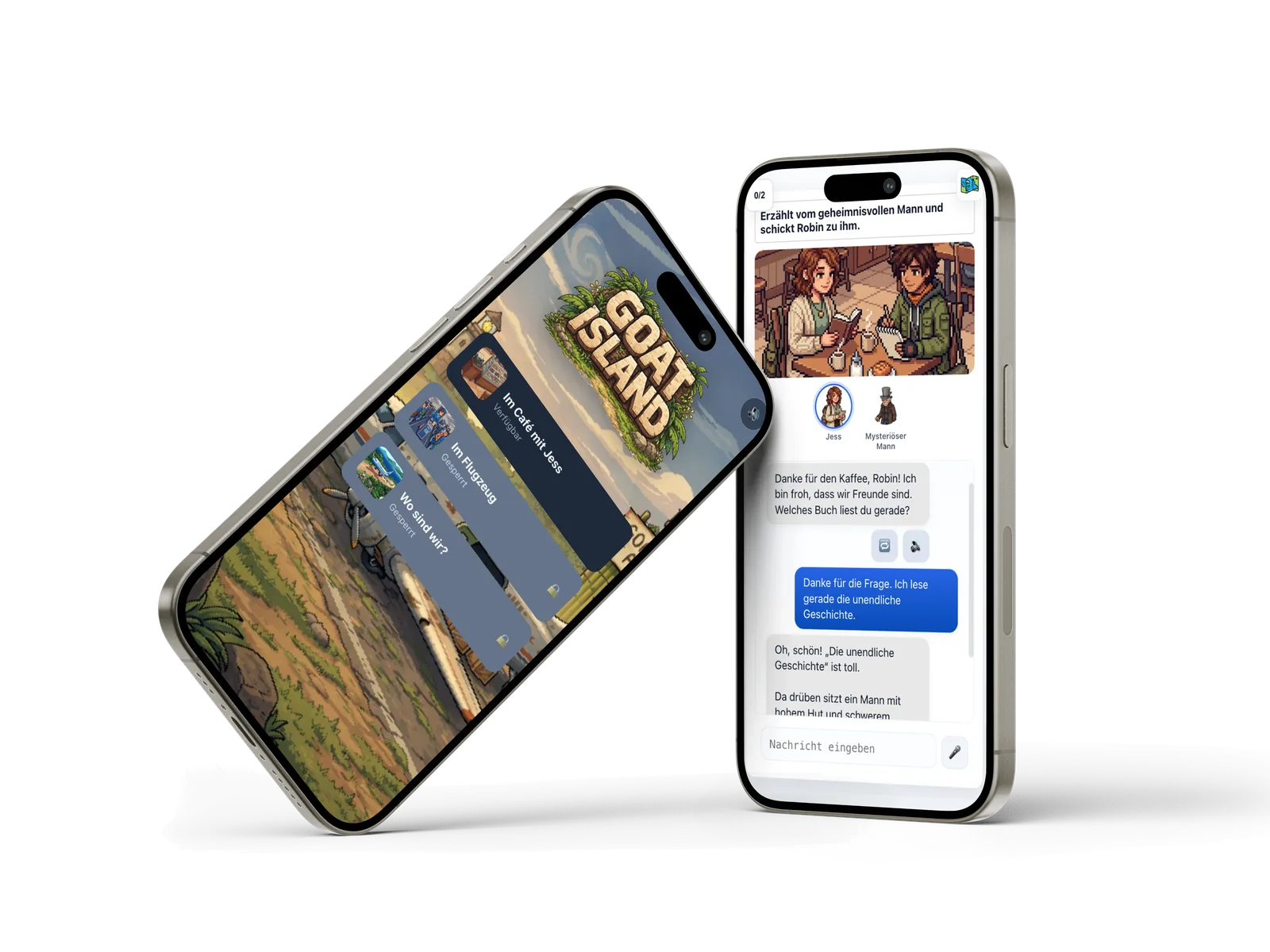
By 2025, back in Germany, that had changed. AI agents could suddenly make their own decisions, recognize whether a puzzle had been solved or an argument was convincing, and support learners in a genuinely useful way on top of it. That's the moment the idea for Goat Island was born.
Good user experience mostly means one thing: testing a lot, with real people from your target audience. That's how I ended up in the German-learning community in Freiburg. To really understand it, I became a German teacher myself and got involved in various volunteer roles.
From idea to encounter
One realization kept coming back: speaking is the hardest part of learning a language (more on that in our blog posts: Why You Don't Speak, Who the F*** Can I Talk To?, Why Speaking Badly Is the Fastest Way to Learn German).
But what I also noticed: the real need underneath it isn't just speaking practice. It's connection. And connection mostly happens live, in person, with real people in the same room. That's the point where it became clear that Goat Island alone couldn't meet that need. So Goat Island isn't dead, just on ice. A role-play-based language training tool is still an idea worth pursuing, but the first step had to happen in the real world.
Language cafés came closest to what I was looking for. Still, something was missing: the power of community, of play, of a genuinely good shared moment. That's exactly the space I wanted to build, a place where speaking German happens as a side effect, not as the goal.
The first collaborations
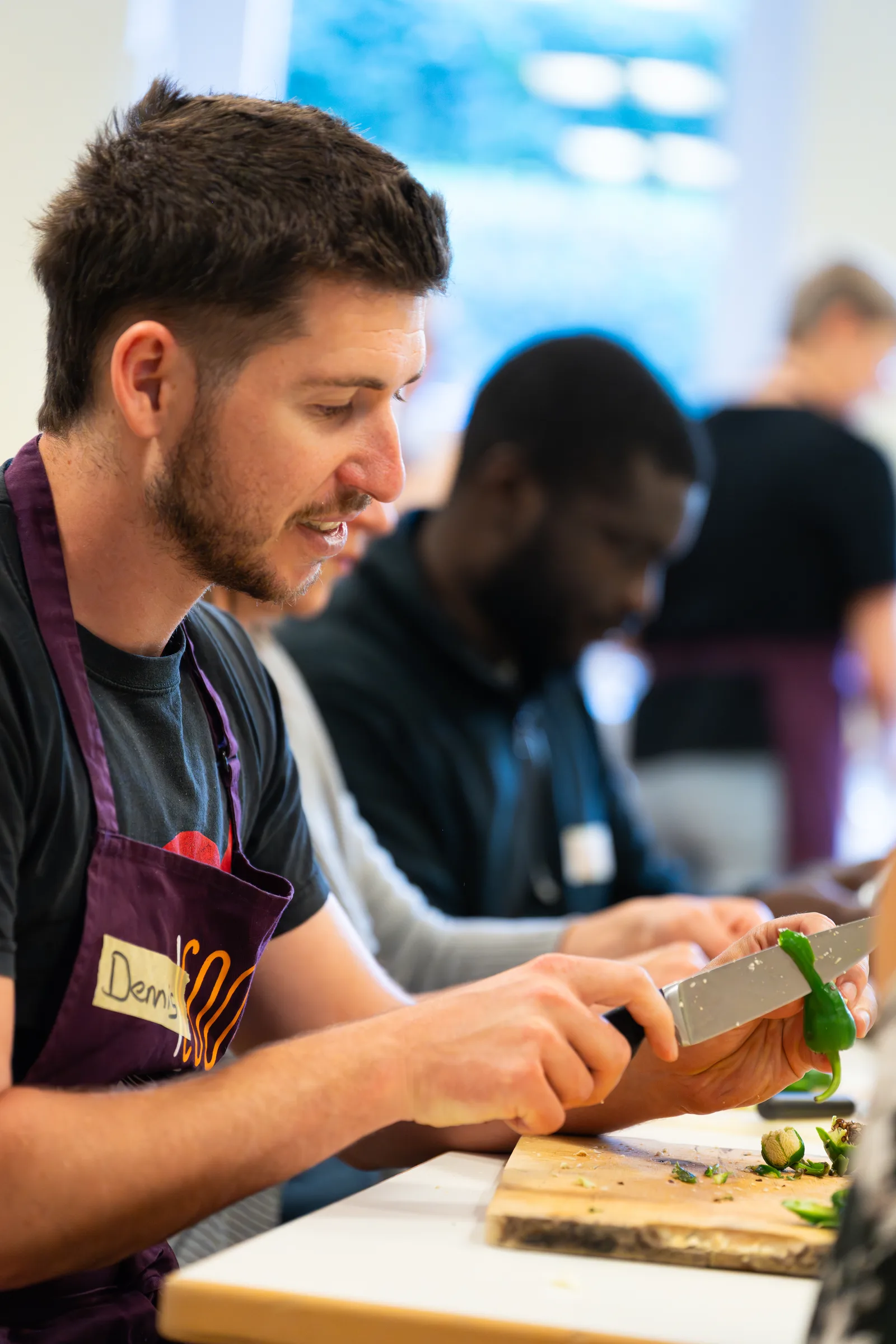
In the first half of 2026, I was already working with local organizations: Zusammen Leben e.V., Über den Tellerrand e.V., Foodsharing-Café Freiburg e.V., and Bildung für Alle e.V. So before the Sprachmut brand even existed, the work, the partnerships, and the first formats already did.
The leap
In June 2026, the time had finally come, and I found the courage to start the first event under the Sprachmut name at Seepark. At first, on a good day, a handful of people showed up. But it started to spread. With zero advertising, zero social media, almost purely word of mouth, the events kept growing fast.
The turning point
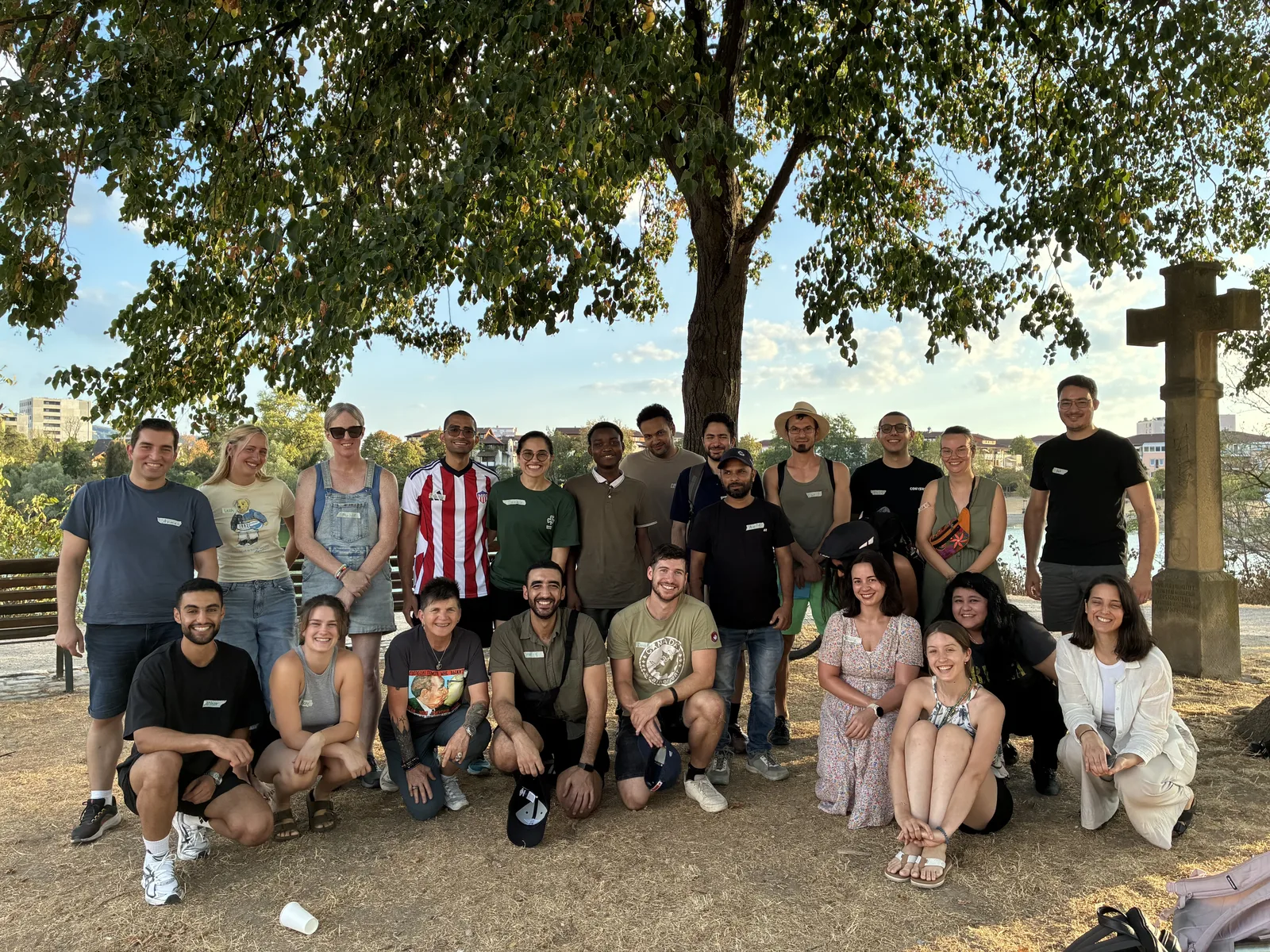
At some point it was clear: one person alone couldn't carry this anymore. I started asking around in the community if anyone wanted to help out. And people answered. Since then, Sprachmut hasn't just been growing as a series of events, but as a small, growing team of people who all believe in the same idea.
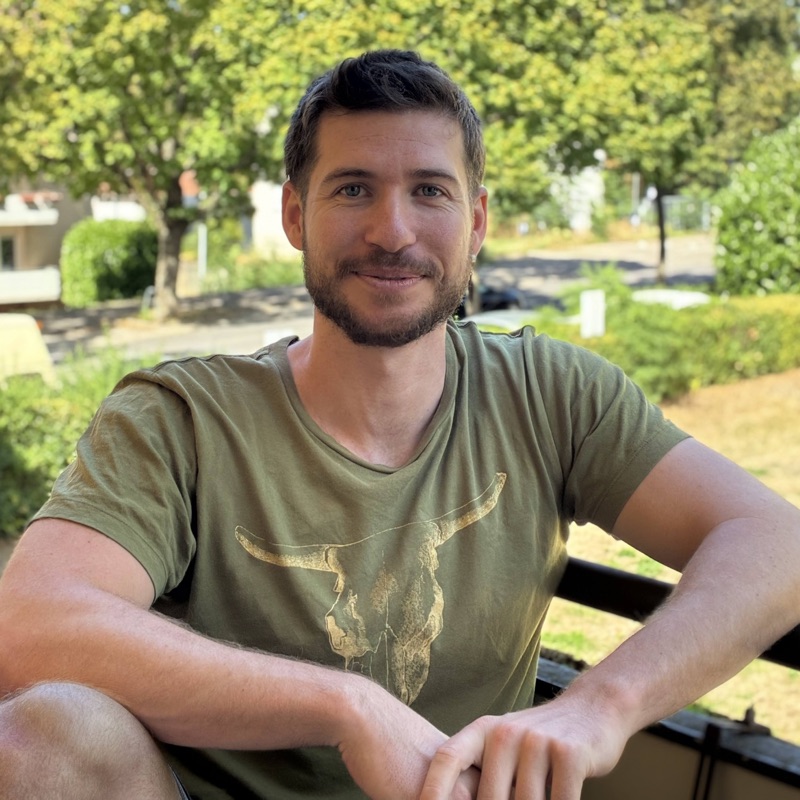
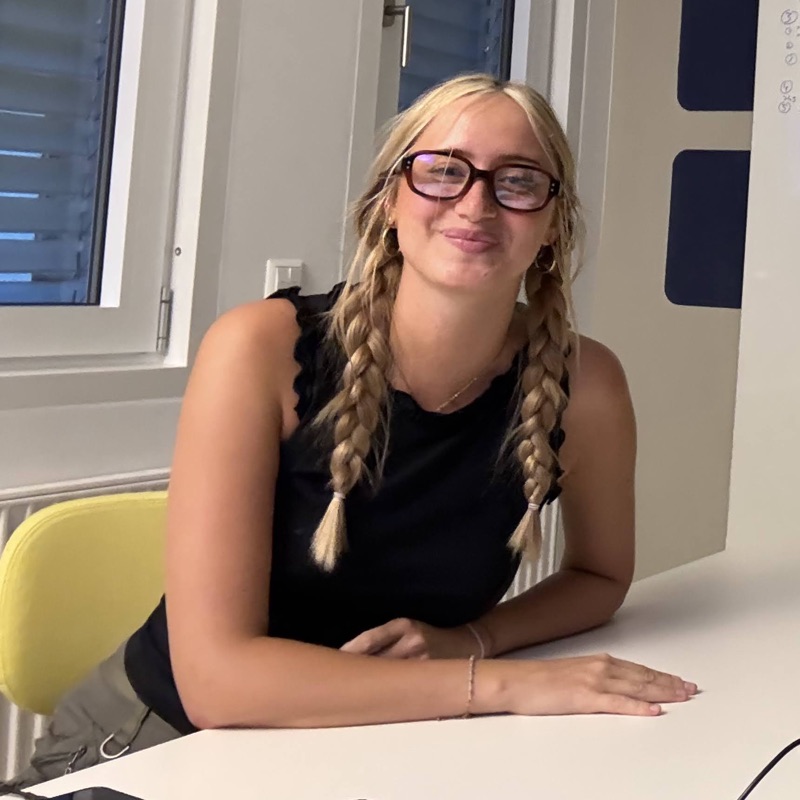
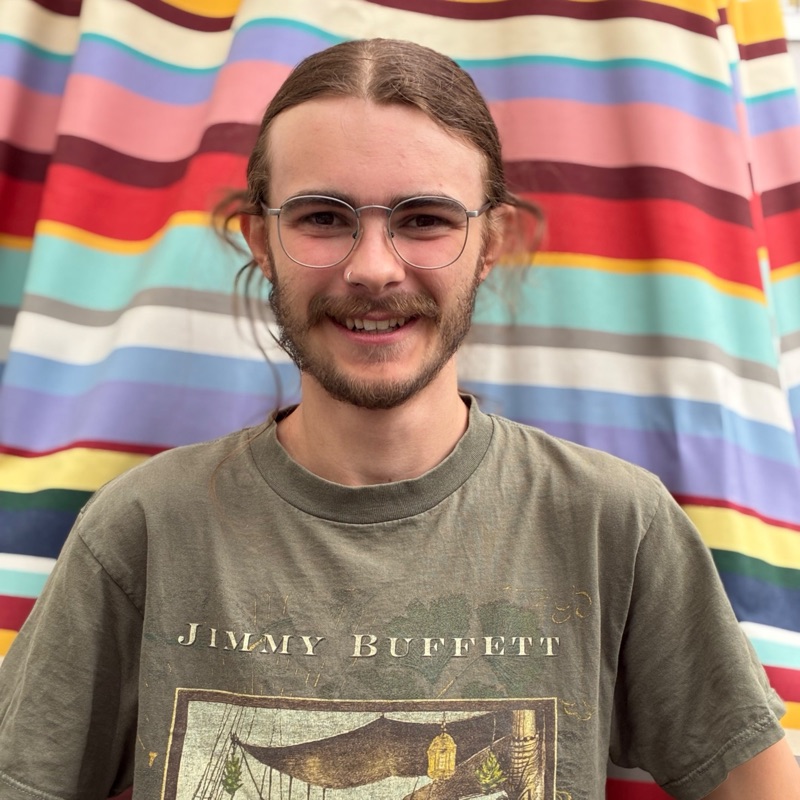
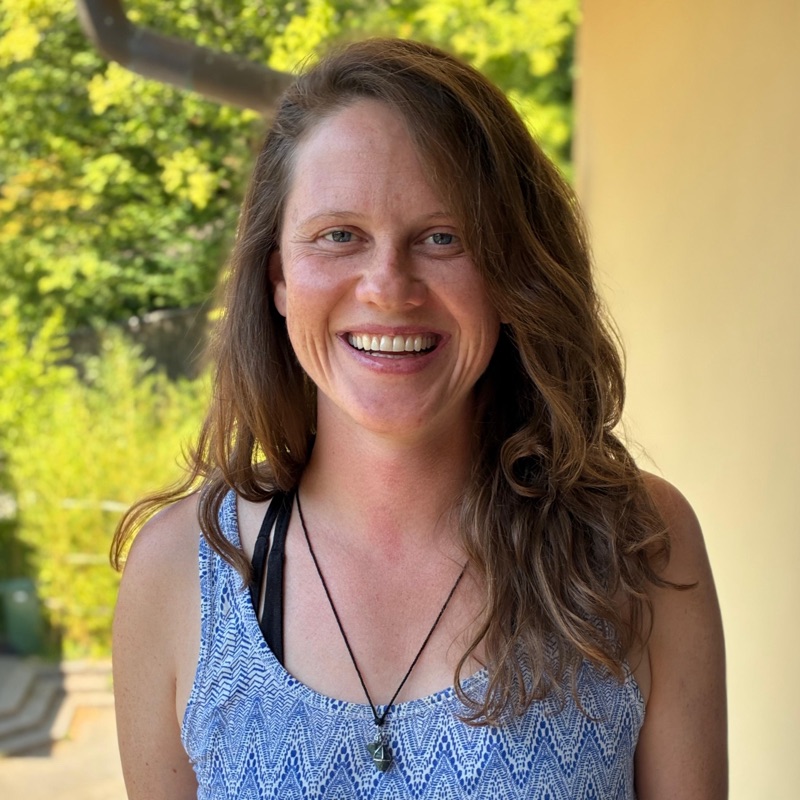
Meet part of our central team:
Why we do this
We believe speaking shouldn't feel like an exam. At Sprachmut, an activity always comes first, playing, cooking, experiencing something together, and speaking German happens alongside it, without pressure. Mistakes are explicitly welcome. Being understood matters more than being perfect. And almost as a side effect, the thing that actually matters happens too: real connection between people.