Almost nobody says this out loud, but the truth is simple: the people who learn German fastest are often not the ones who wait until they feel perfectly ready. They are the ones who start speaking, even if their German is still a bit messy.
That sounds counterintuitive at first. If you want to get better at a language, shouldn’t you want to do it correctly from the start? The answer is yes, but not in the way most of us imagine. Waiting for readiness is usually slower than simply beginning.
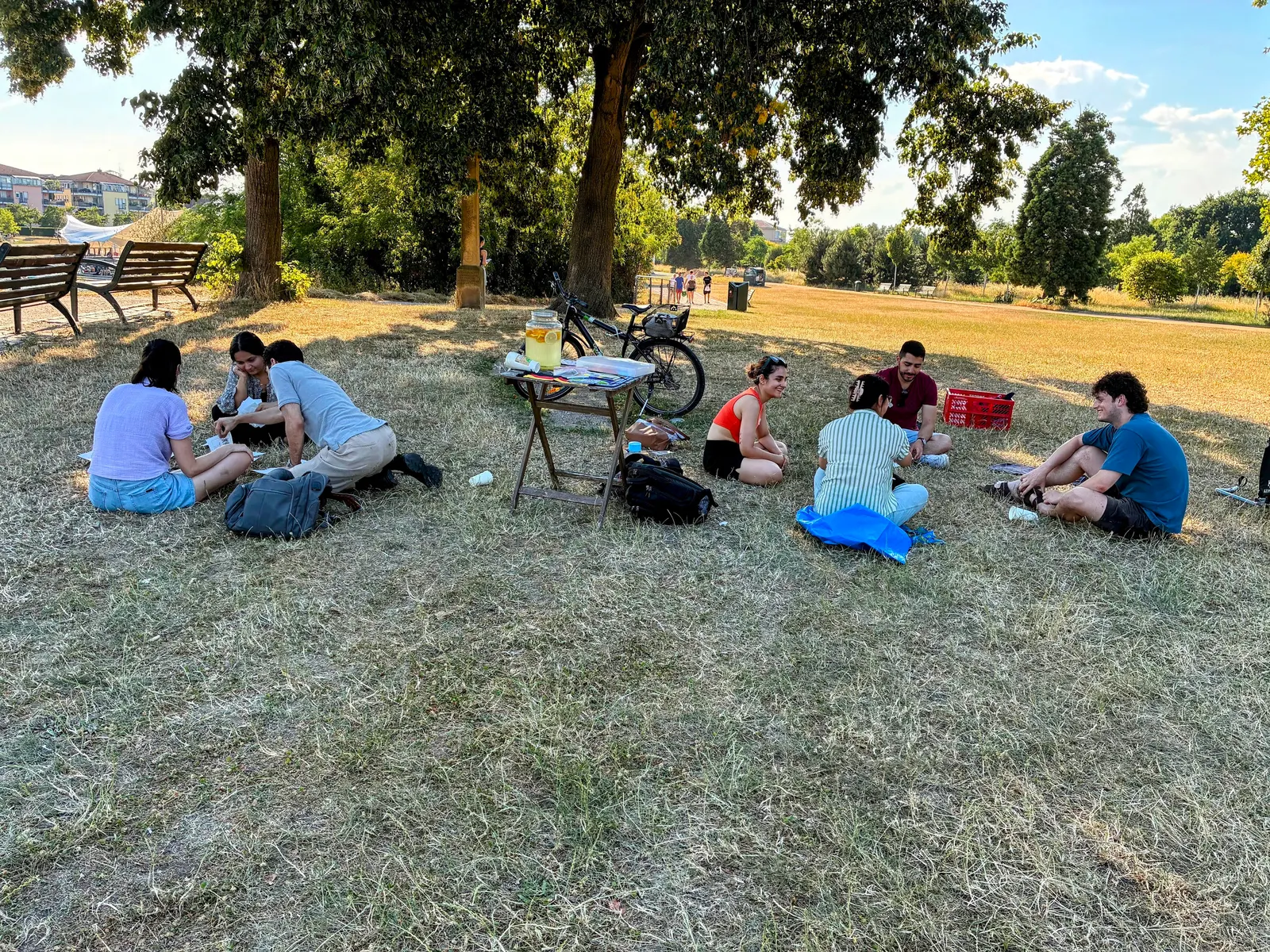
Mistakes get corrected – just not in a dramatic way
As an adult, you do need feedback. But that feedback does not have to interrupt every sentence or overwhelm you with too much correction at once. Often, the best correction is simply the correct form offered back to you in context. If you say “gestern ich habe gegangen zum Markt,” a natural response might be, “Ah, you went to the market yesterday. What did you buy?”
That kind of correction is powerful because your brain hears the right form while the meaning is still alive.
Your emotional state matters more than you think
If you speak while stressed, self-critical, or tense, less of the language sticks. That is not a character flaw. It is a real part of how learning works. Stress does not only feel bad; it actually interferes with retention. This is one of the reasons games are not just decoration at Sprachmut. They are part of the method.
A relaxed, playful environment makes speaking easier. When you are not constantly monitoring yourself, you have more room to actually communicate.
Language is a tool, so it makes sense to use it early
The goal of language is not to produce flawless sentences. The goal is to get a message across, meet someone, make them laugh, ask a question you genuinely care about. That is what real communication looks like. So why would you train for that in a way that avoids communication until you feel perfect?
At Sprachmut, the point is to start speaking earlier, not later.
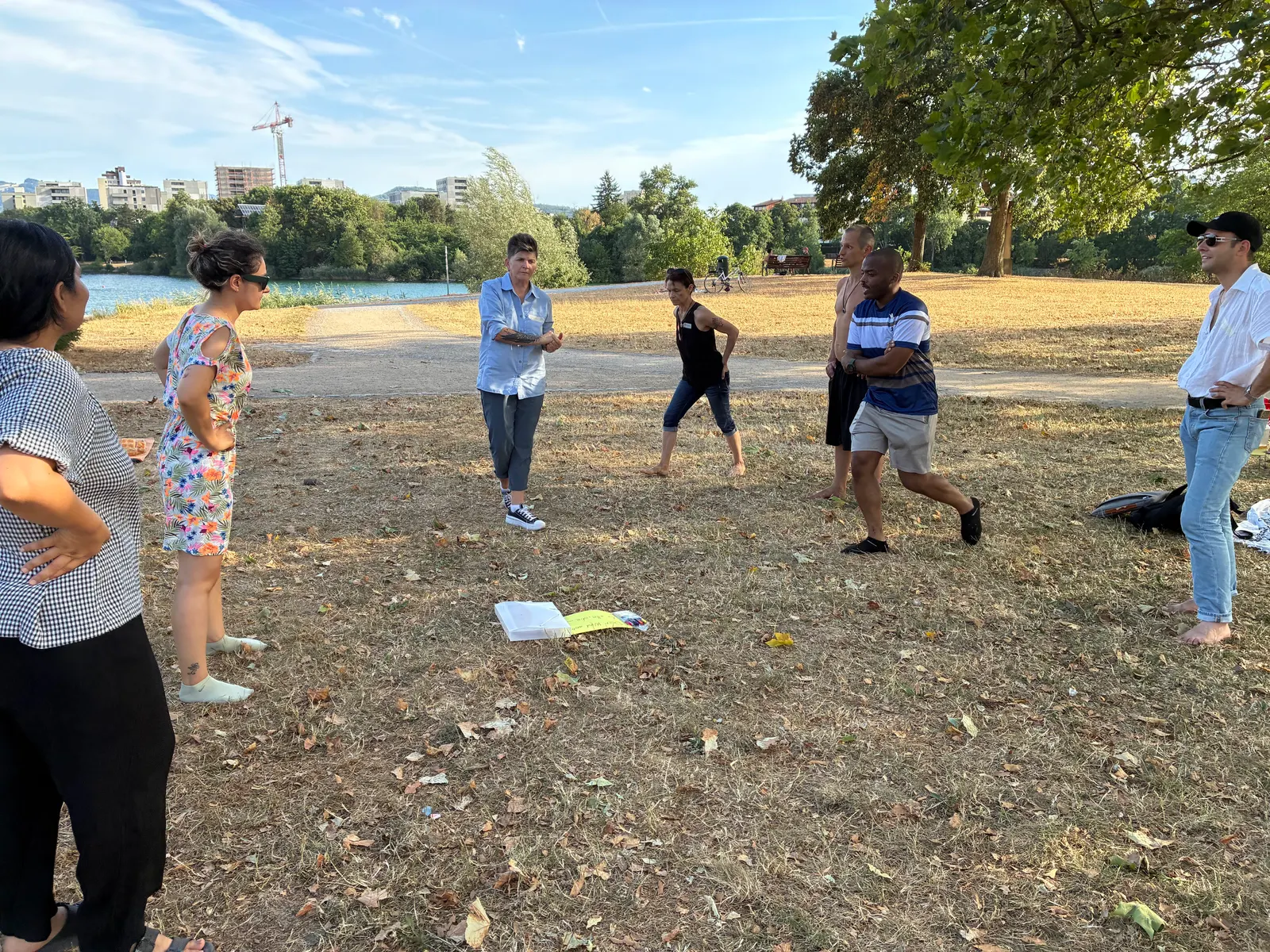
Why our events are built this way
I have seen this from both sides: as a teacher and as someone learning languages myself. Traditional courses are often structured and thorough, but also dry. Free language cafés can be welcoming, yet they are often inconsistent, unstructured, and not adjusted to your level.
What we do differently is combine warmth, structure, and fun. No classroom vibe, and no chaos either. We want a room where mistakes feel normal and speaking still feels worth doing.
This is exactly what happens at our weekly events
Tuesdays are our German Game Nights, built around the idea that good speaking practice should feel playful rather than intimidating. Wednesdays bring the German Language Café together with Zusammen Leben e.V., with conversation, games, and optional one-to-one feedback. Mondays are our Social Mondays, a gentler entry point if you want company without language pressure.
If you want to practice on your own time before jumping into a room full of people, Goat Island — currently an early prototype we're actively developing — is designed around the same idea: you play first, and correction only appears when a mistake is actually getting in the way.
Where to try it for yourself
If you want to experience this firsthand, join us on Meetup or write us on WhatsApp to join the group for last-minute updates and casual meetups.
Come as you are. Speak badly. Let yourself be corrected gently. Leave having said more German out loud than you expected.